
Industrial PCs
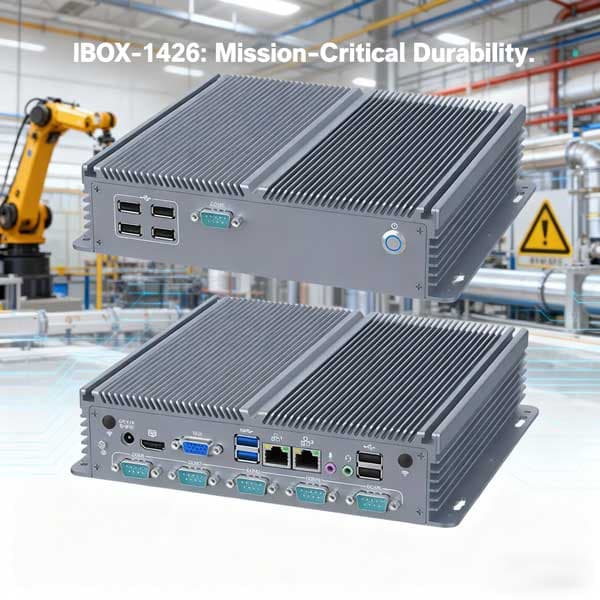
IBOX-1426
IBOX-1426: Intel Pentium J3710 (4 cores, 1.6GHz up to 2.64GHz) with 2x 1000M LAN.
Configuration quoted on requestView →
Product category
Fanless computers built for controls, data acquisition, and continuous operation.
14 products
Industrial PCs
IBOX-1426: Intel Pentium J3710 (4 cores, 1.6GHz up to 2.64GHz) with 2x 1000M LAN.
Industrial PCs
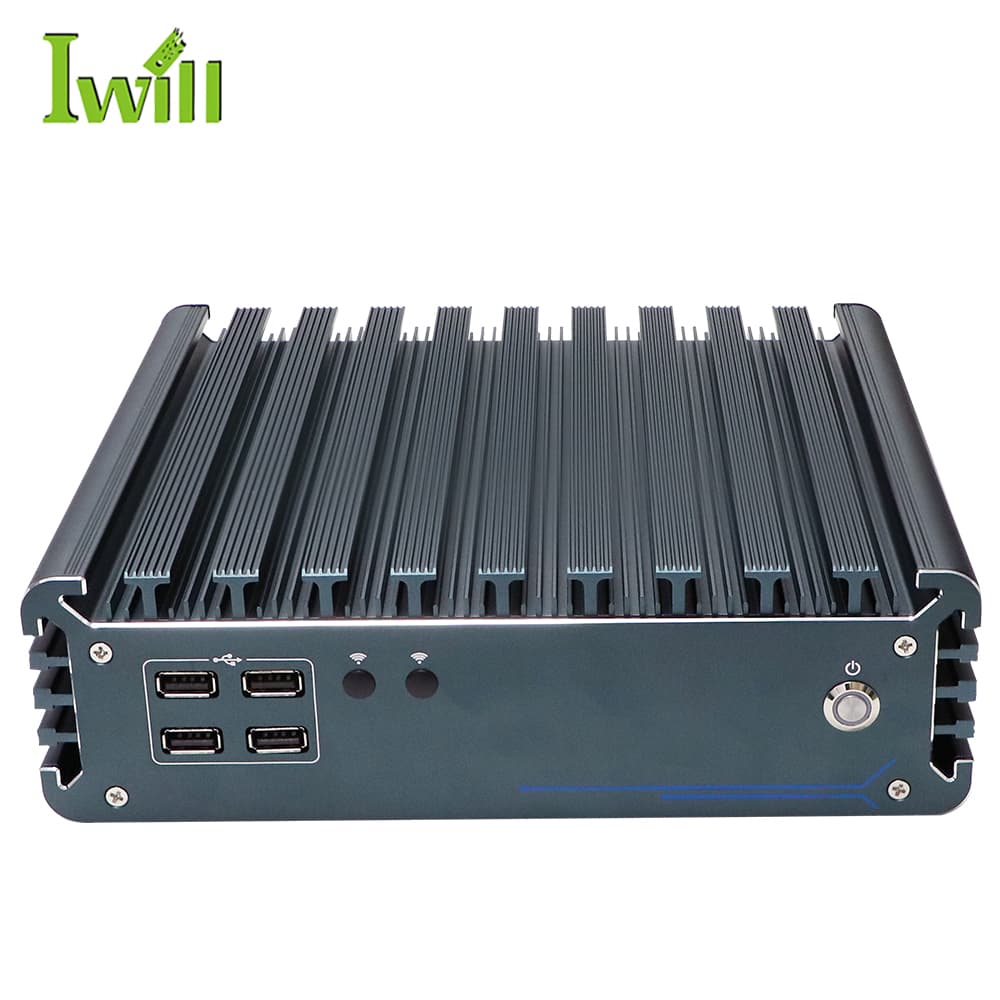
IBOX-3226: Intel i3-1215U / i5-1235U / i7-1255U (12th Gen) with 2x LAN.
Industrial PCs
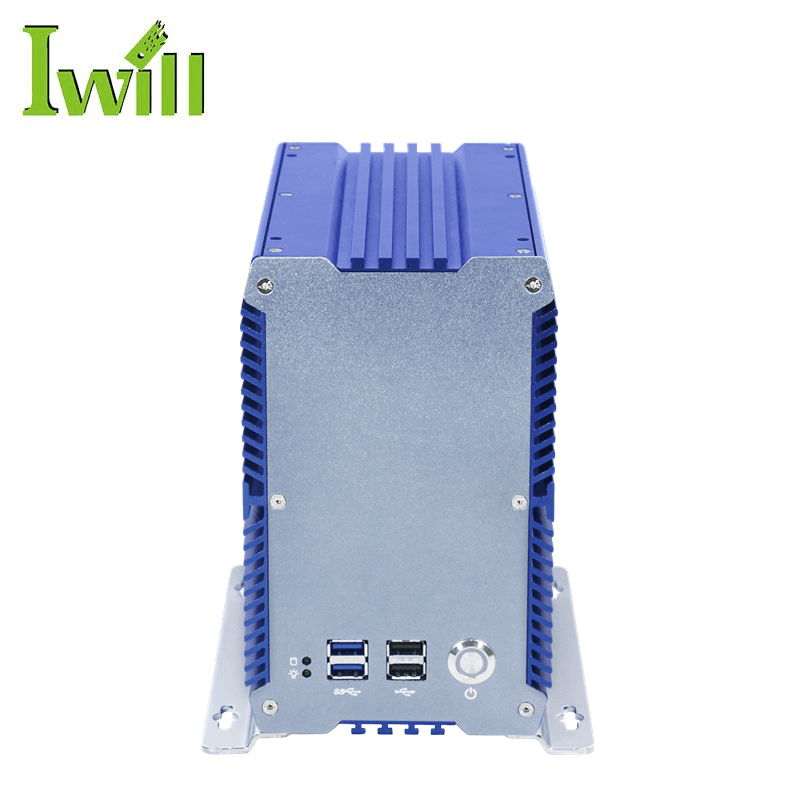
IBOX-701 Plus: Intel Celeron 3965U / i5-7360U (7th Gen) with 2x 1000M LAN.
Industrial PCs
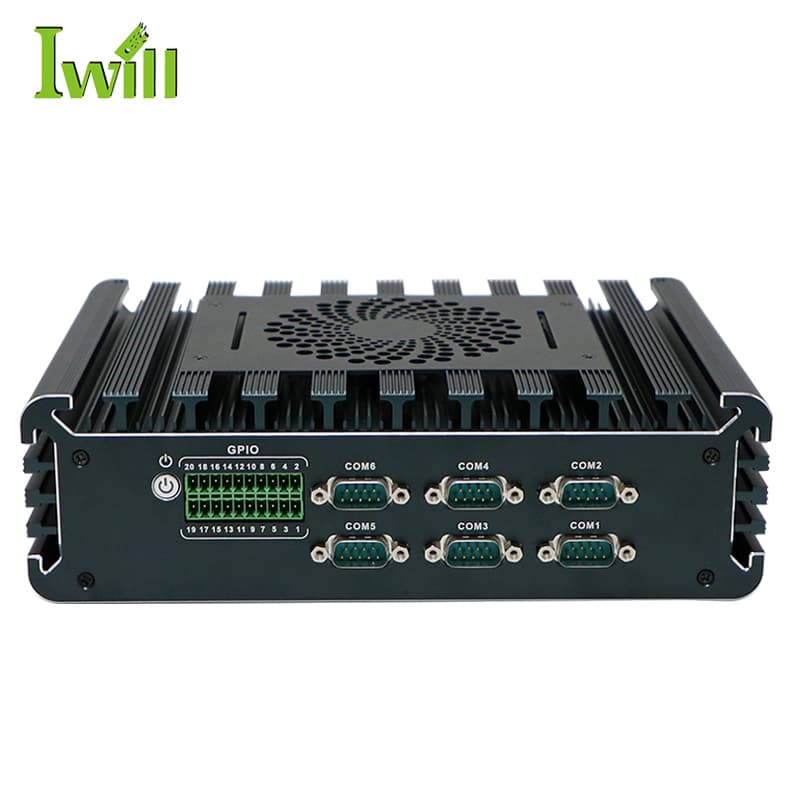
IBOX-3126: Intel i3-1115G4 / i5-1135G7 / i7-1165G7 (11th Gen) with 3x 2.5G LAN.
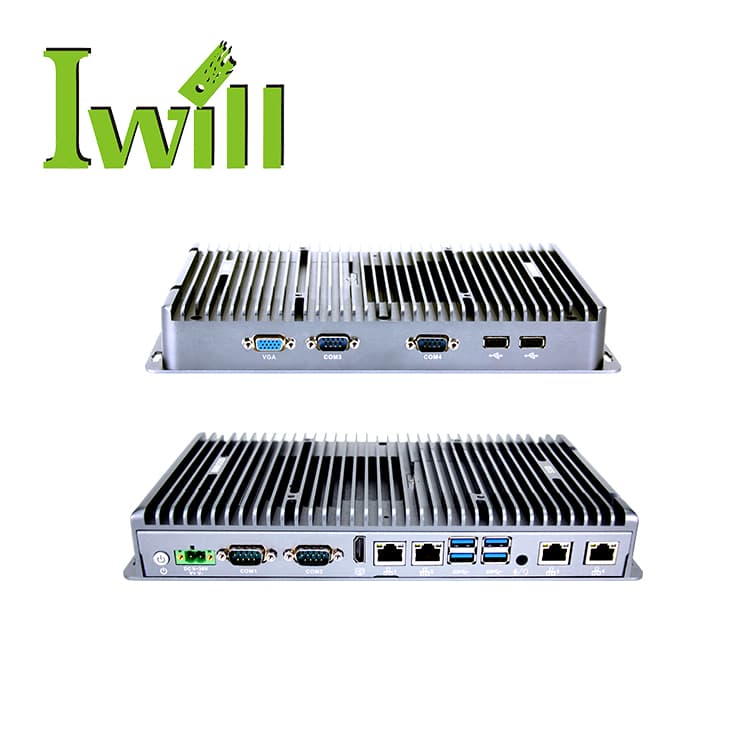
Industrial PCs
IBOX-3046: Intel Celeron 4205U / i5-8265U / i7-8565U (8th Gen) with 4x 1000M LAN.
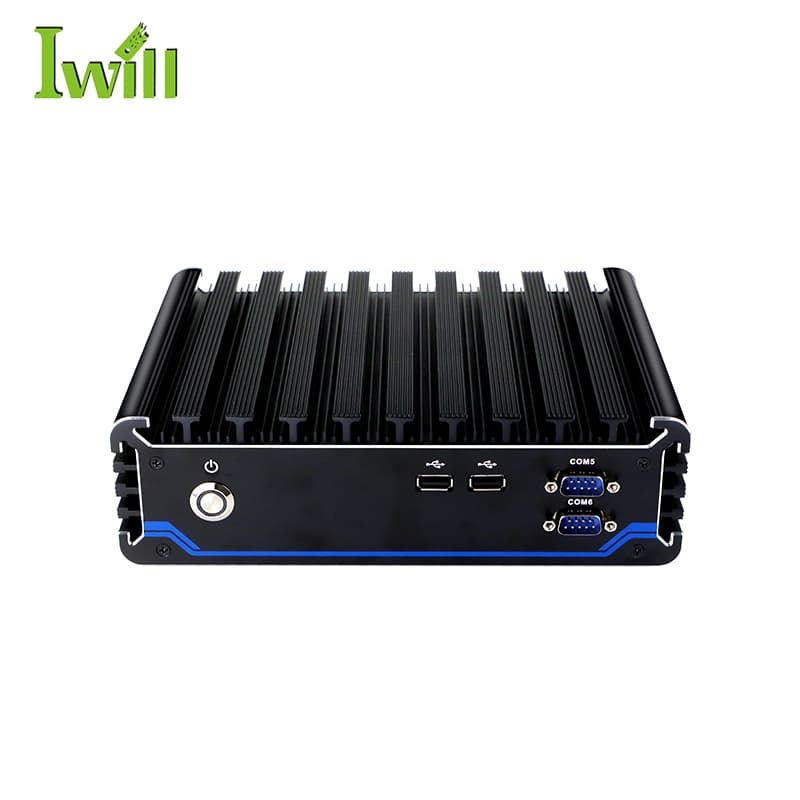
Industrial PCs
IBOX-3026: Intel Celeron 6305E / i5-1135G7 / i7-1165G7 (11th Gen) with 2x 1000M LAN (Intel chipsets).
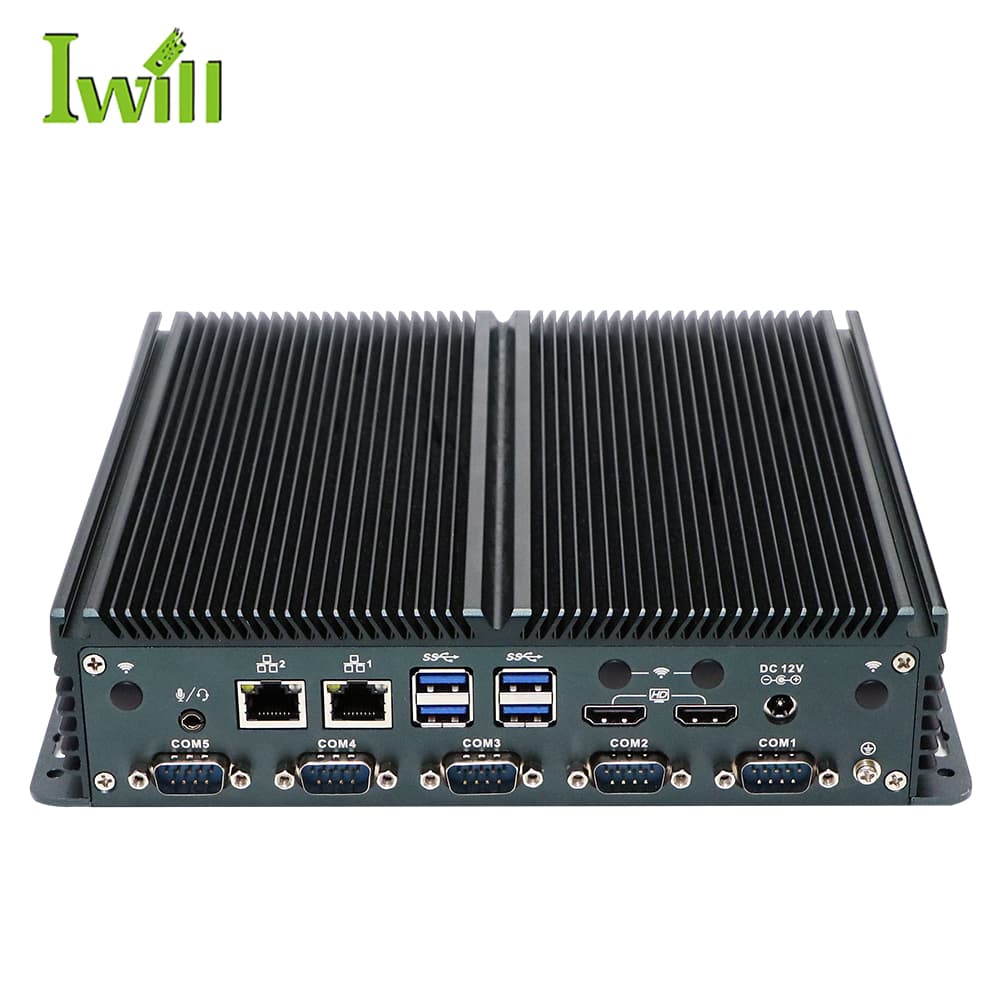
Industrial PCs
IBOX-1326: Intel Alder Lake N100 (4 cores, up to 3.4GHz) with 2x 1000M LAN.
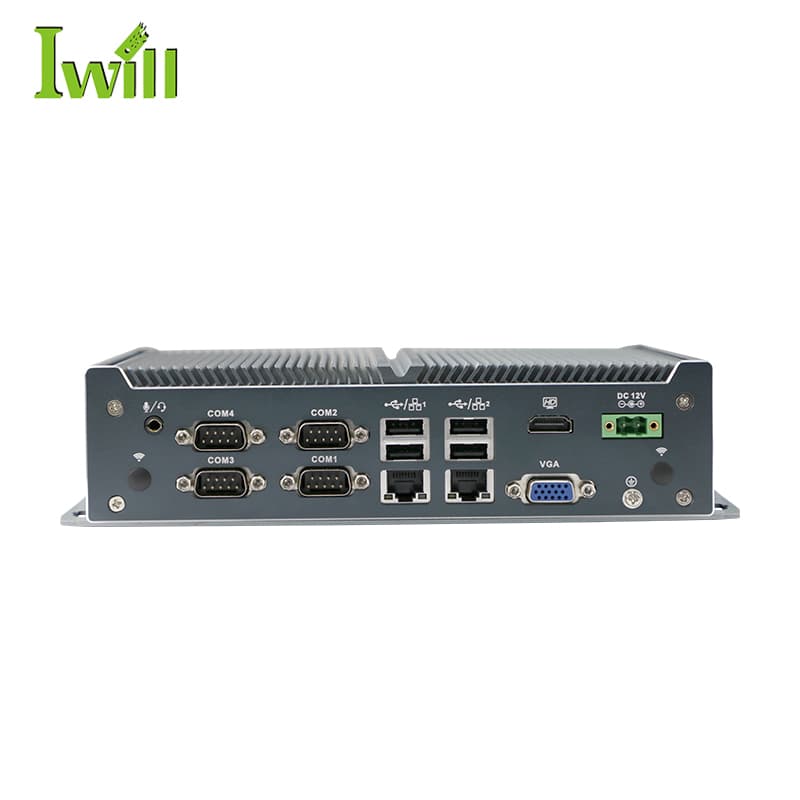
Industrial PCs
IBOX-1226: Intel Celeron J6412 (4 cores, 2.0GHz up to 2.6GHz) with 3x 2.5G LAN.
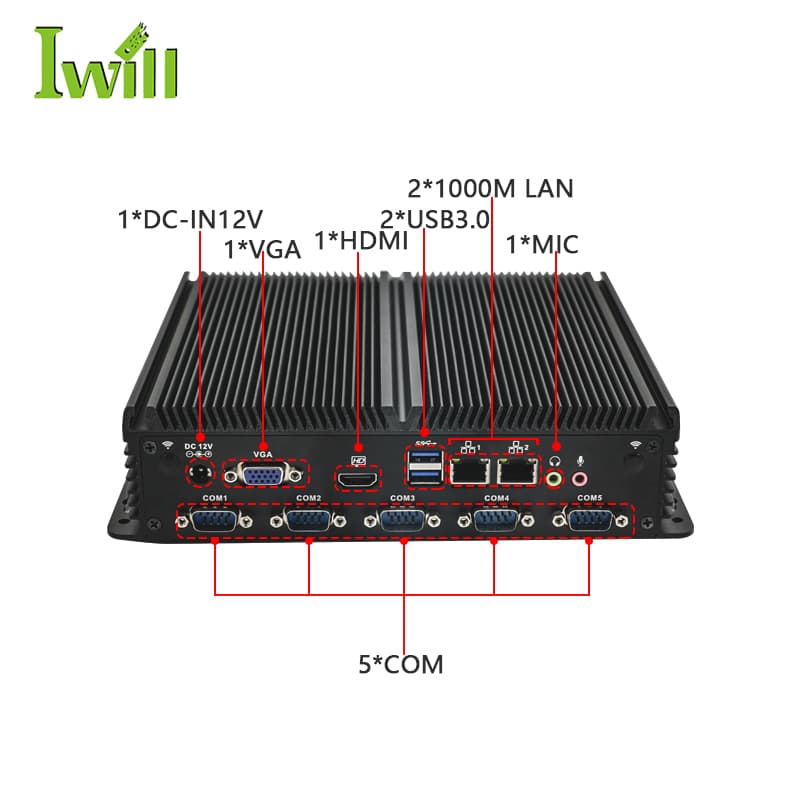
Industrial PCs
IBOX-1026: Intel Celeron J4125 (4 cores, 2.0GHz up to 2.7GHz) with 2x 1000M LAN.
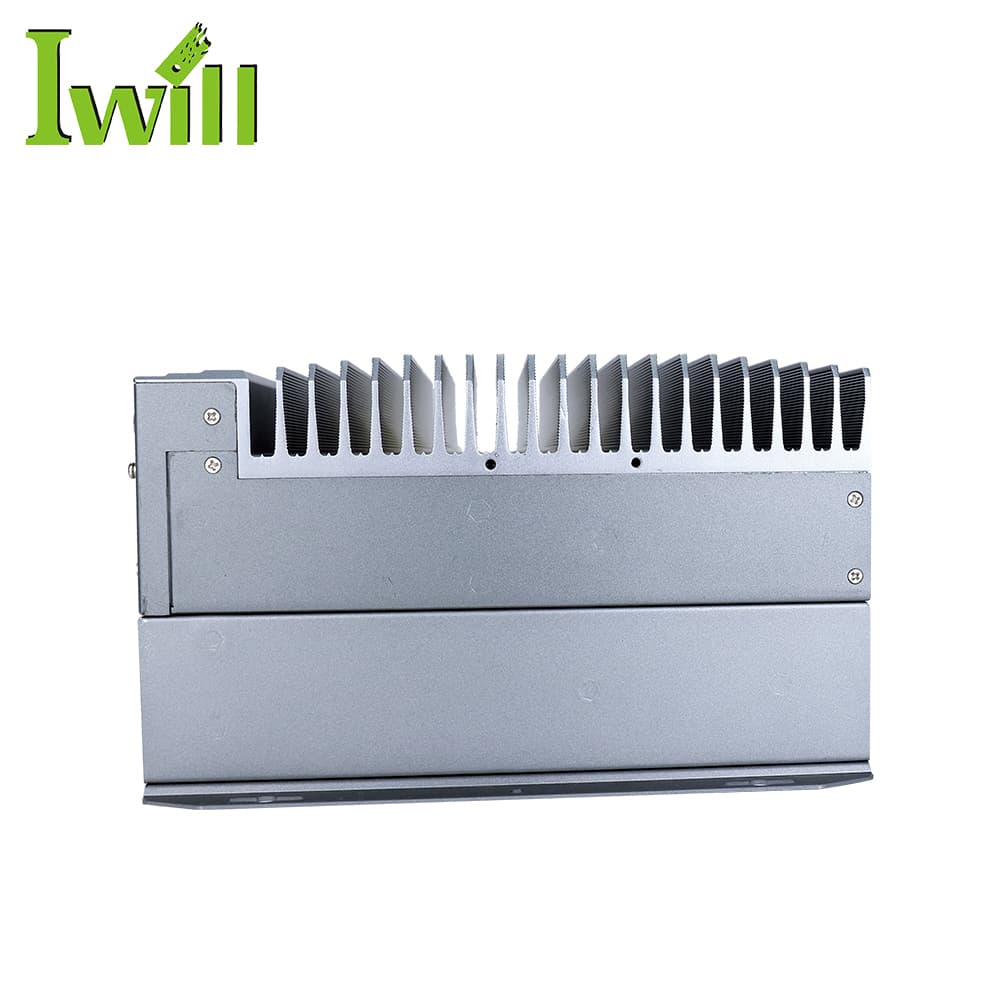
Industrial PCs
IBOX-708: Intel i3-6100T / i5-6500T / i7-6700T (6th Gen Skylake) with 3x 1000M LAN (vPro compatible).
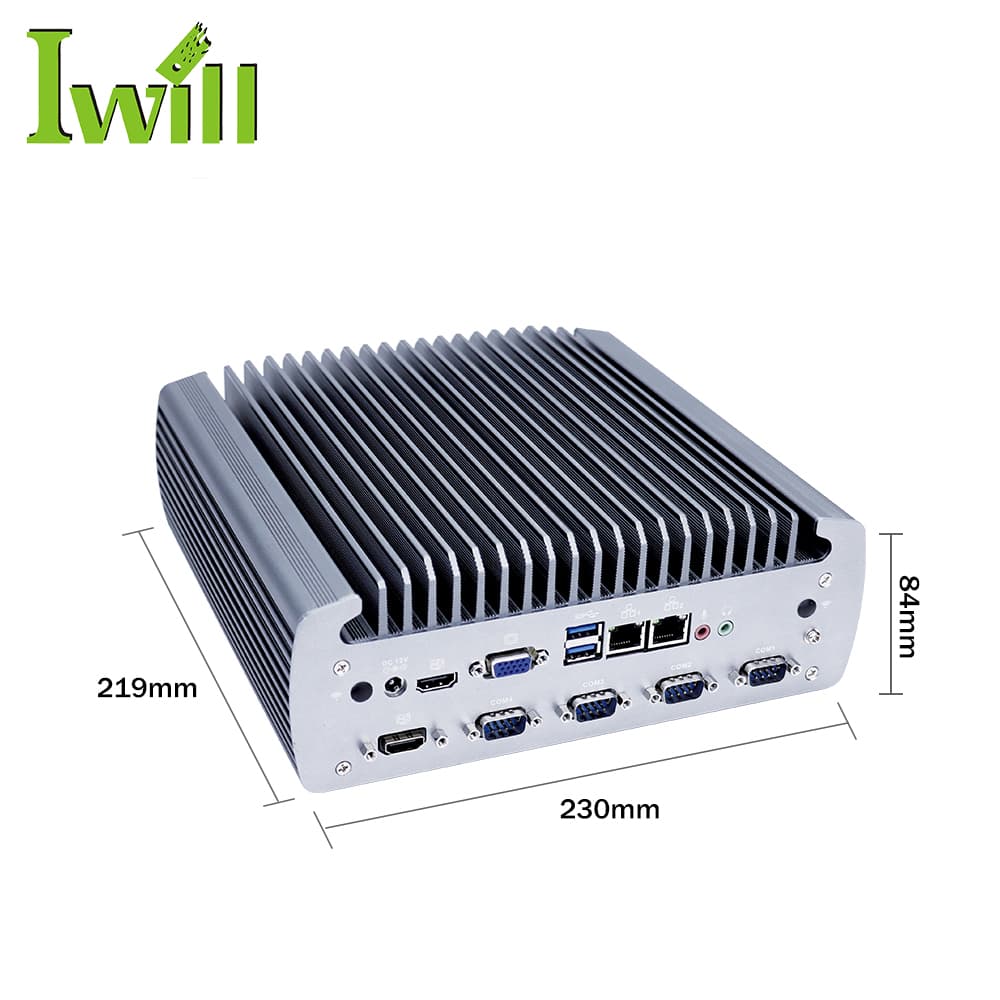
Industrial PCs
IBOX-605: Intel i3-8100T / i5-8500T / i7-8700T (Coffee Lake) with 2x 1000M LAN.
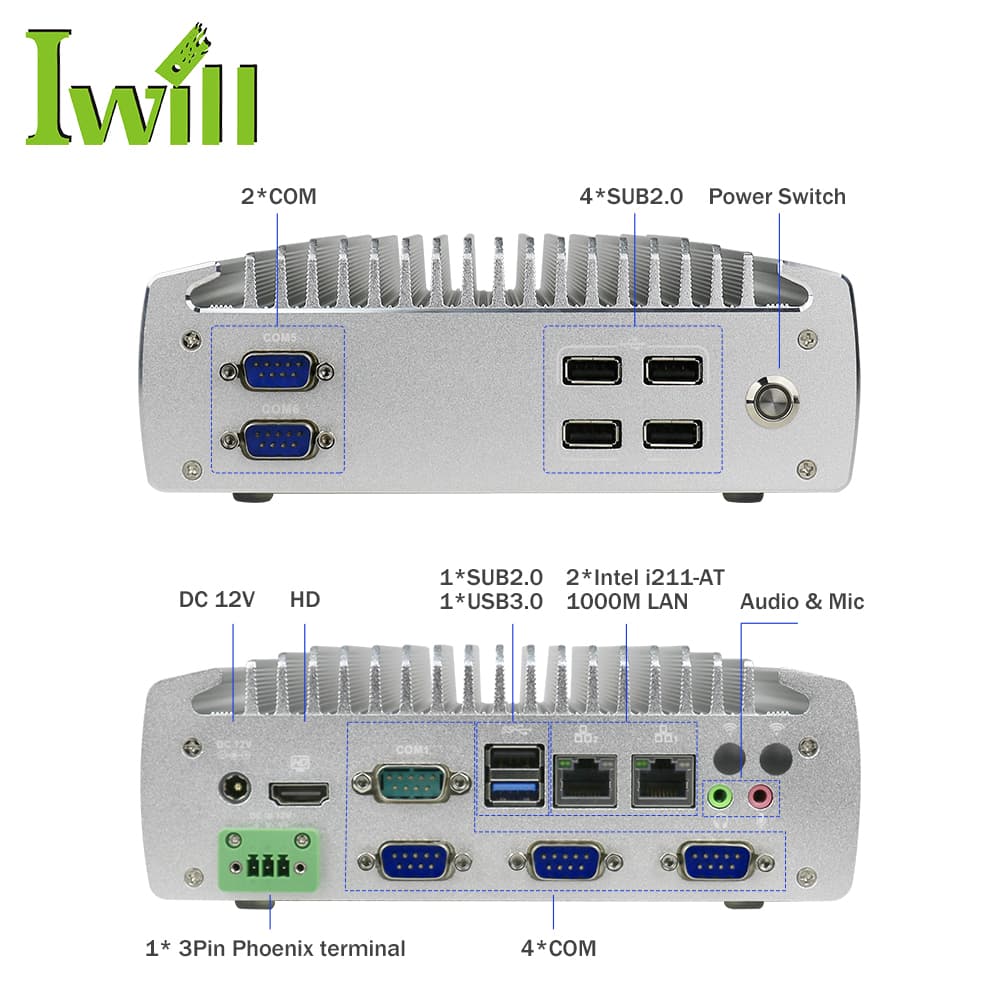
Industrial PCs
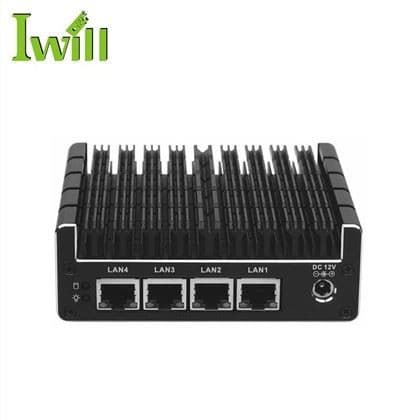
IBOX-101 Plus: Intel Celeron J1900 (4 cores, 1.99GHz, 10W TDP) with 2x 1000M LAN.
Industrial PCs
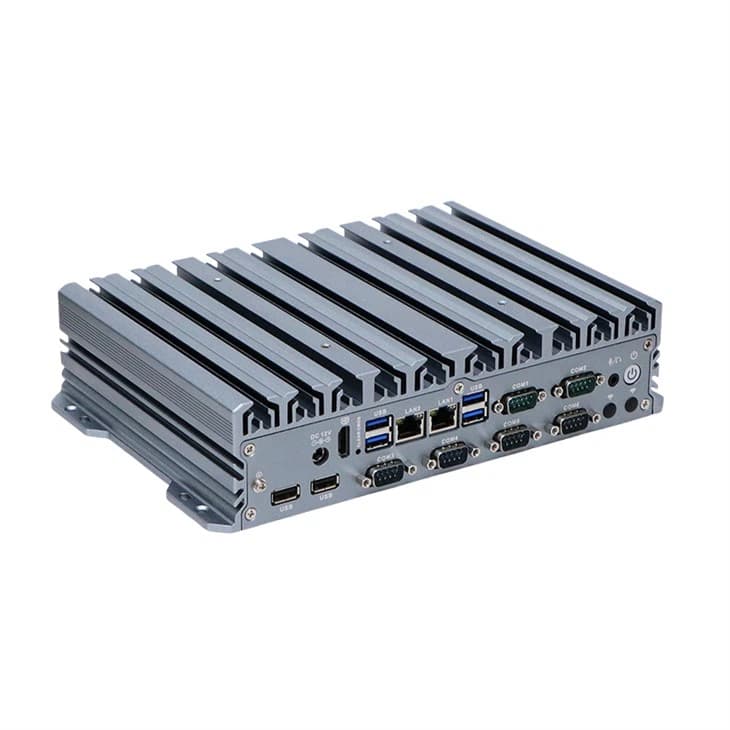
IBOX-501: Intel i3-8130U (2 cores, 2.2GHz up to 3.4GHz, 15W TDP) with 2x RJ45 LAN.
Industrial PCs
IBOX-3326: Intel Celeron J1900 / Core series with 2x Realtek Gigabit LAN.
Selection guidance
Industrial PCs in this family are fanless, solid-state computers designed for continuous operation in cabinets, on machines, and at the edge of production networks. Typical traits are wide-range DC power input (often 9–36V), extended operating-temperature ratings, serial ports for PLC and instrument connectivity, and DIN-rail, wall, or VESA mounting.
Match the platform to the environment first: ambient temperature range, vibration, dust, and the power source available in the panel. Then work through connectivity — how many RS-232/485 ports, isolated I/O or GPIO, LAN drops, and display outputs the application actually needs. Finally size compute for the software: SCADA clients and data loggers run happily on efficiency-class processors, while machine vision and local analytics may need Core-class CPUs.
Auto power-on after outages, watchdog behavior, storage endurance under constant logging, and OS image control matter more in the field than benchmark numbers. Include these requirements in your quote request so the configuration is validated before you commit.
We store your analytics preference locally. Optional analytics loads only with your permission. See our Privacy Policy.