
Running multiple AI assistants on one mini PC with Proxmox and LXC
A guide to consolidating five to ten AI assistant instances on a single compact mini PC using Proxmox VE and LXC containers — isolation, resource limits, snapshots, and sizing on the N3322 and IBOX-3226.
Teams that adopt AI assistants multiply them fast: one per project, one per client, a personal one, an experimental one. Giving each its own machine is wasteful; piling them into one OS invites dependency chaos and shared-fate crashes. The middle path is classic infrastructure: one small hypervisor, many lightweight containers.
Why LXC instead of full VMs
Agent workloads are mostly idle — they spike when working, sleep otherwise. LXC containers on Proxmox VE share the host kernel, so each instance costs megabytes instead of gigabytes of overhead, boots in seconds, and can be snapshotted or cloned instantly. Full VMs remain the tool for foreign OSes or kernel-level isolation; assistants do not need that.
- Isolation — each assistant has its own filesystem, credentials, and dependency tree; one broken upgrade breaks one container.
- Resource limits — CPU and memory ceilings per container keep a runaway agent from starving the rest.
- Snapshots — checkpoint before every framework upgrade; rollback is one command.
- Cloning — a working "template assistant" becomes a new instance in seconds.
The build
- Install Proxmox VE on the mini PC (ZFS on NVMe recommended for snapshot speed).
- Create a Debian/Ubuntu LXC template with your runtime (Node.js or Python), hardened SSH, and the agent framework preinstalled.
- Clone per assistant; give each a hostname, an API key set, and a resource profile (e.g., 2 vCPU / 2GB for light duty).
- Put the containers on a dedicated bridge/VLAN and manage access through your firewall zones.
- Back up nightly with Proxmox's built-in vzdump to the second drive or a NAS.
Sizing the host
| Fleet | Host | Notes |
|---|---|---|
| 3–5 light assistants | N1522 (N150, 16GB) | API-calling agents, schedulers, bots |
| 5–10 mixed instances | N3322 (Core-class, 32GB DDR5) | Headroom for tool-heavy agents and small local models |
| 10+ or heavier duty | IBOX-3226 (12th-gen Core, up to 64GB) | Dual 2.5" bays for backups, 4× HDMI if it doubles as a console |
All three run fanless and silent — a full assistant fleet on a bookshelf, at desktop-monitor power draw.
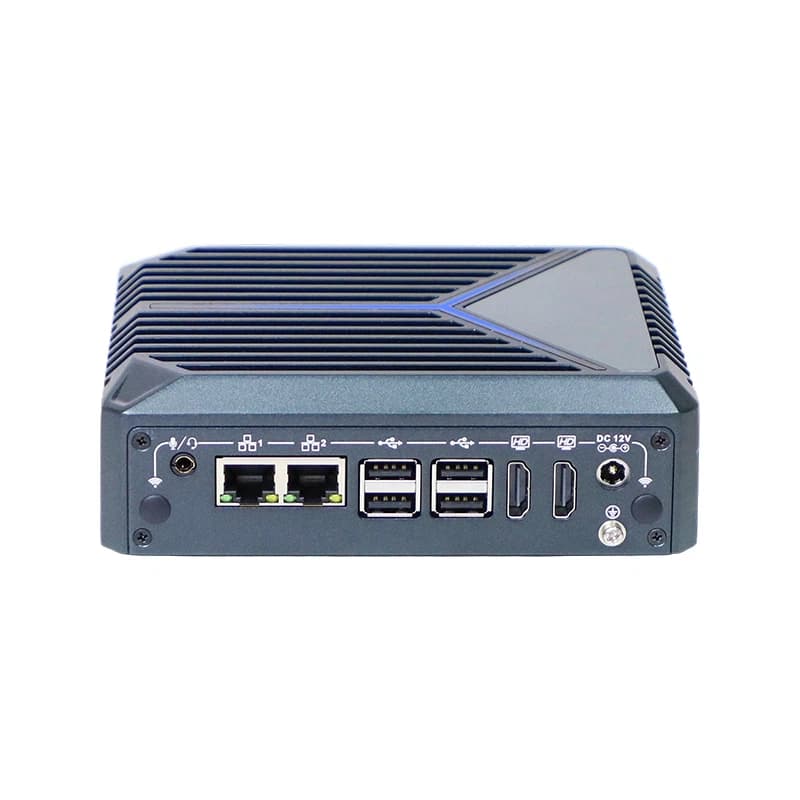
Mini PCs
N1522
N1522: Intel Twin Lake N150 (4 cores, 4 threads, up to 3.6GHz) with 2x RTL8111H Gigabit LAN (10/100/1000M).
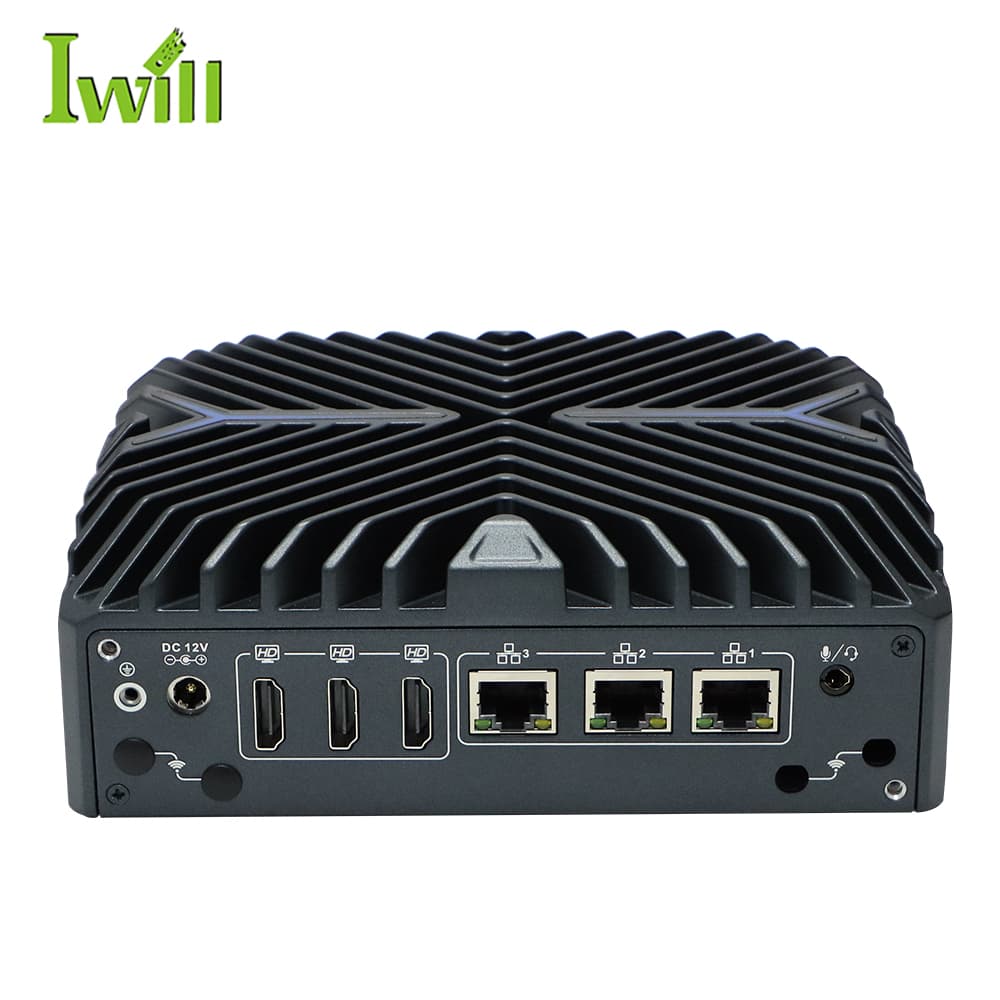
Mini PCs
Nano-N3322
Nano-N3322: Intel i3/i5/i7-1255U (6-10 cores, up to 4.7GHz, Alder Lake) with 3x 2.5G LAN.
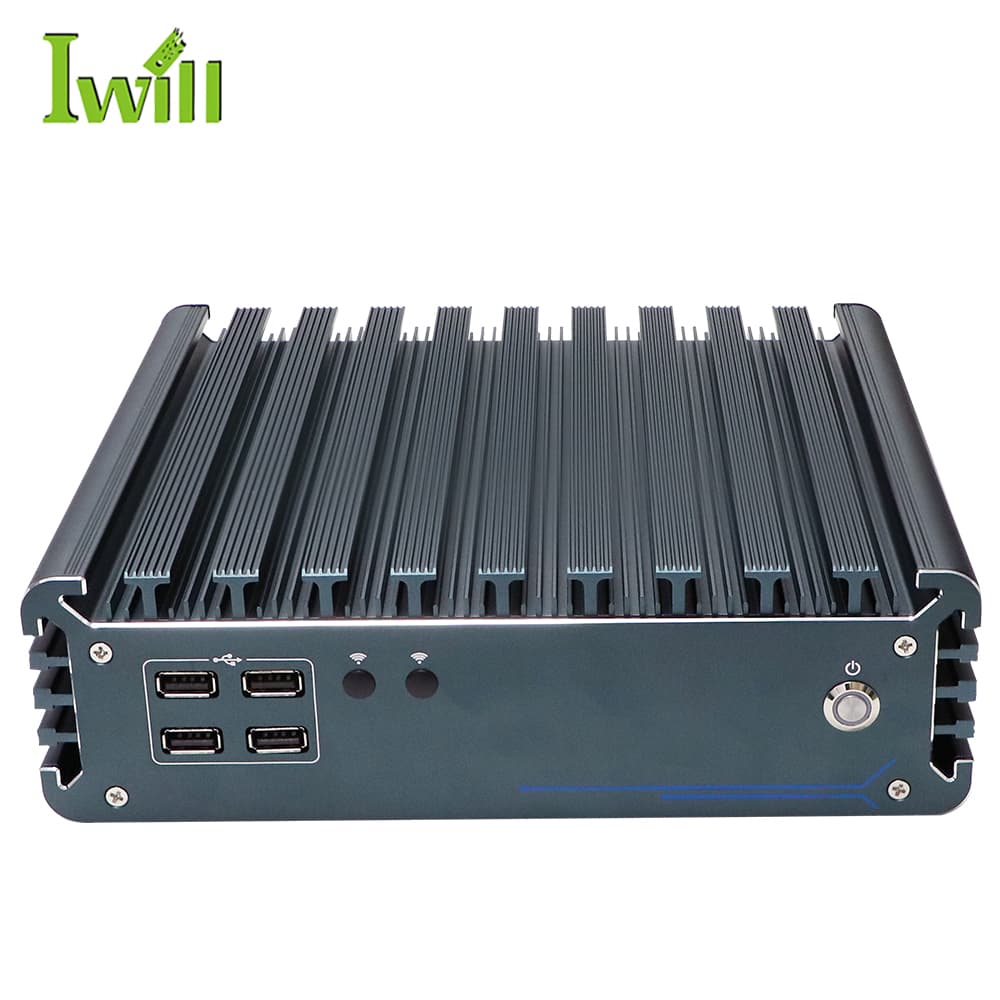
Industrial PCs
IBOX-3226
IBOX-3226: Intel i3-1215U / i5-1235U / i7-1255U (12th Gen) with 2x LAN.
Tell us the instance count and workloads — we will validate memory, storage, and the configuration.
Size a consolidation host