Mini PCs
N1522
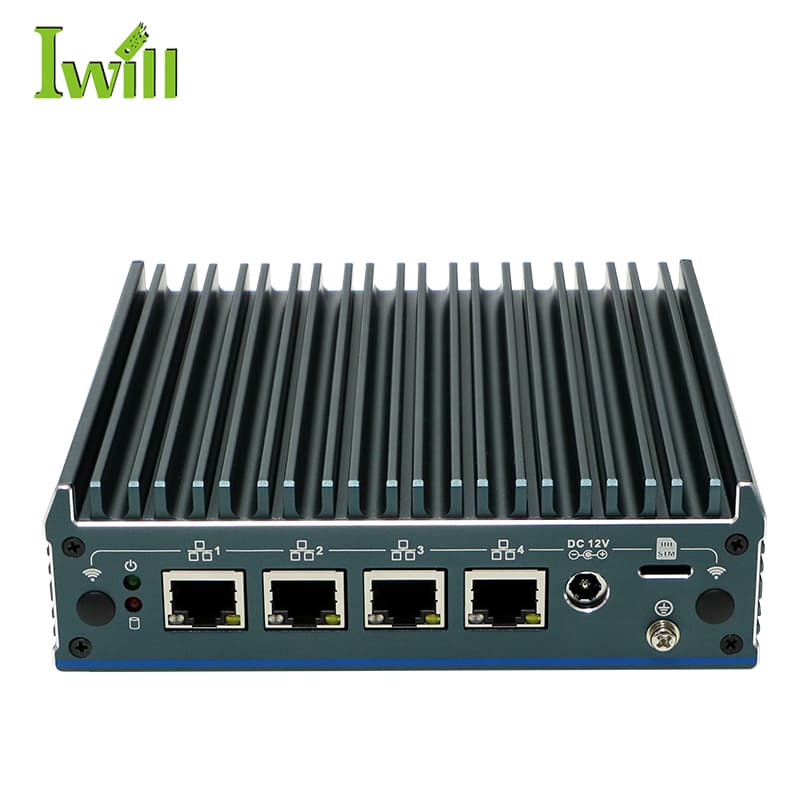
N1522: Intel Twin Lake N150 (4 cores, 4 threads, up to 3.6GHz) with 2x RTL8111H Gigabit LAN (10/100/1000M).
Configuration quoted on requestView →
Solution
Compact, always-on platforms for private inference, local AI agents, and vision workloads — plus the network hardware to isolate them properly.
Not every industrial PC is an AI computer. Model size, precision, tokens or frames per second, context length, and concurrency determine whether a workload fits an efficiency-class mini PC, a Core-class box, or a GPU platform. Bring the workload evidence and the platform follows.
Two patterns dominate real deployments: a small 24/7 host running agent frameworks and API-connected assistants (low compute, high uptime), and a heavier inference node running local models with Ollama or similar runtimes. Both benefit from virtualization — Proxmox VE with LXC containers consolidates multiple assistants on one low-power machine.
Local AI also changes the network. Self-hosted models and hybrid setups (local models plus cloud APIs) should live in isolated network segments with controlled egress — a role our multi-LAN firewall appliances running OPNsense or pfSense are built for.
Specify model size, quantization, throughput targets, context, and concurrency — memory bandwidth and thermals decide more than core counts.
Fanless hosts with auto power-on and watchdog support run agents around the clock at desktop-plug power budgets.
x86 platforms run Proxmox VE, Docker, and LXC — consolidate multiple assistants and services on one machine.
Pair the AI host with a multi-LAN firewall appliance for VLAN segmentation and egress filtering around self-hosted and hybrid AI.
Compact fanless platforms for headless agent duty, containerized assistants, and local inference within their thermal envelope.
Mini PCs
N1522: Intel Twin Lake N150 (4 cores, 4 threads, up to 3.6GHz) with 2x RTL8111H Gigabit LAN (10/100/1000M).
Mini PCs
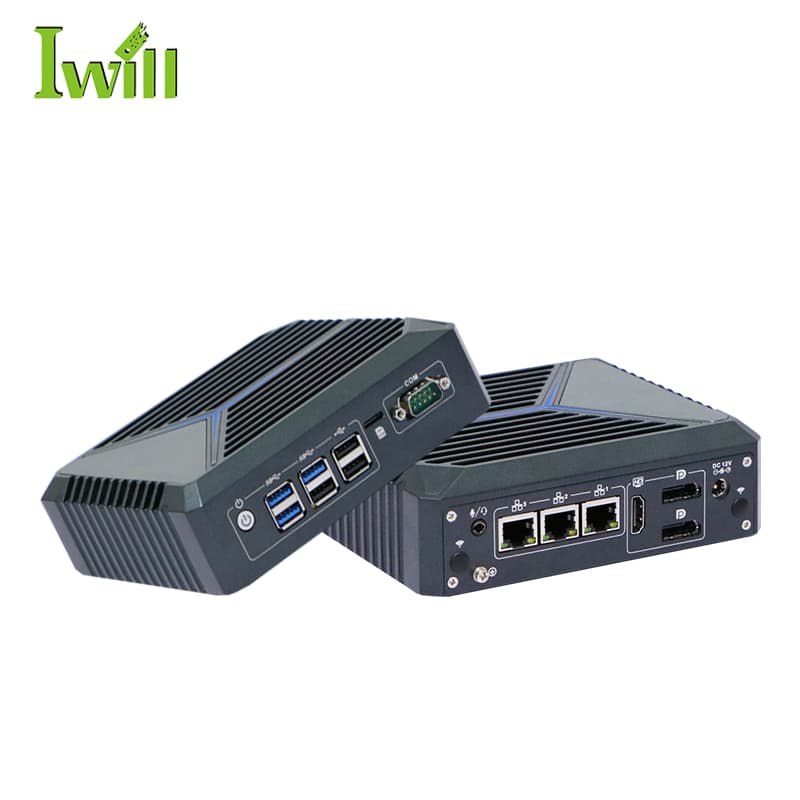
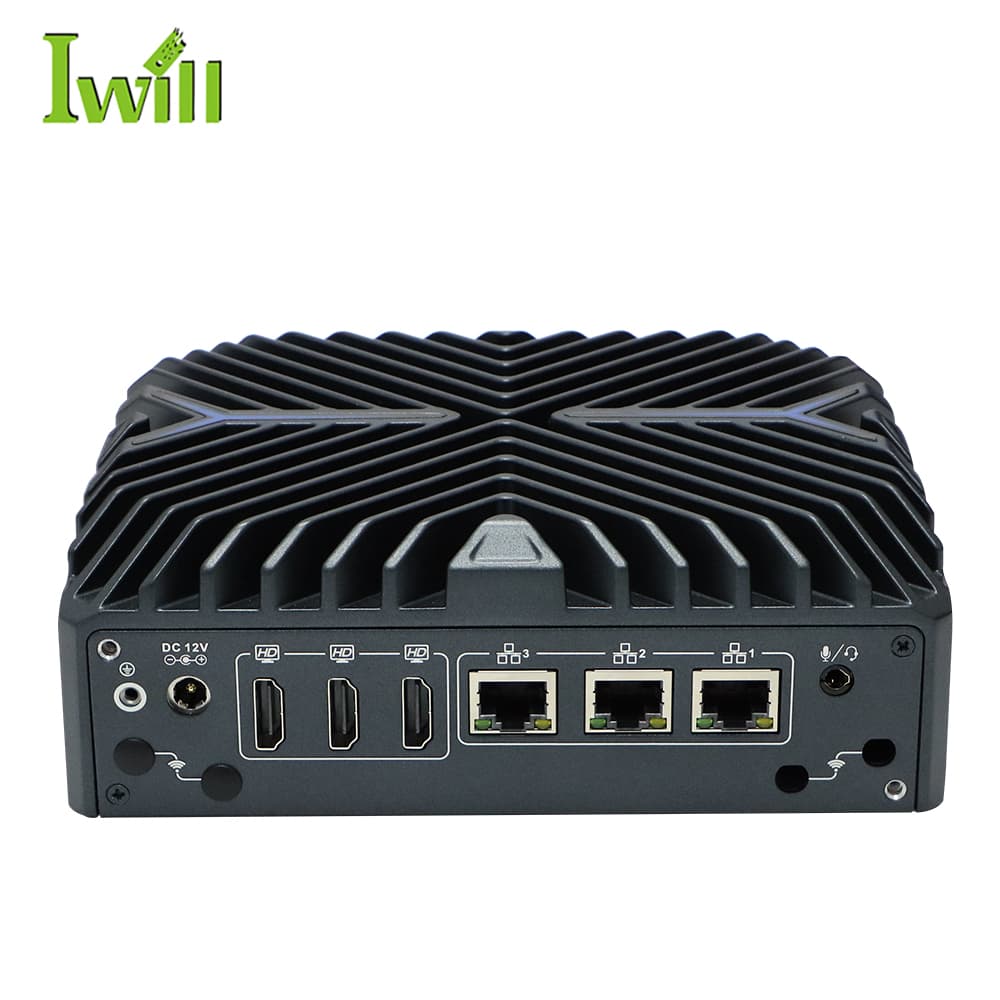
Nano-N3322: Intel i3/i5/i7-1255U (6-10 cores, up to 4.7GHz, Alder Lake) with 3x 2.5G LAN.
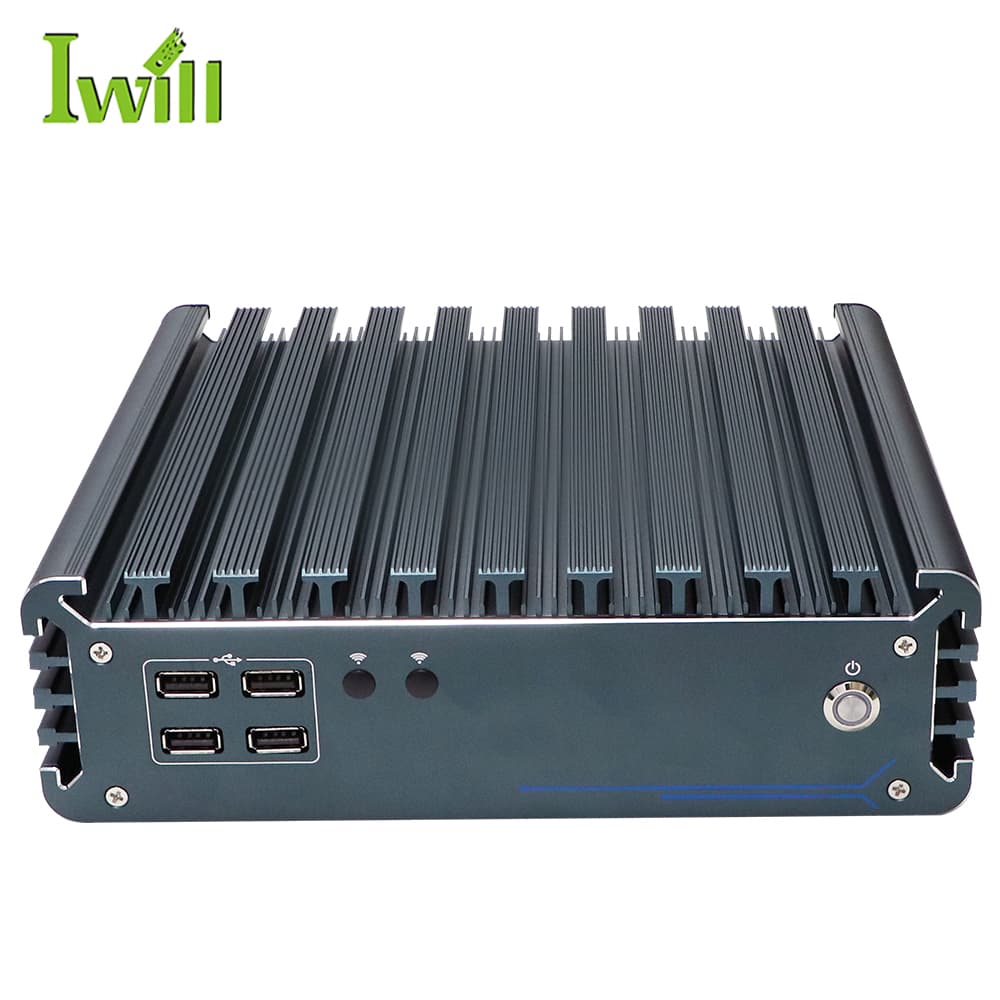
Industrial PCs
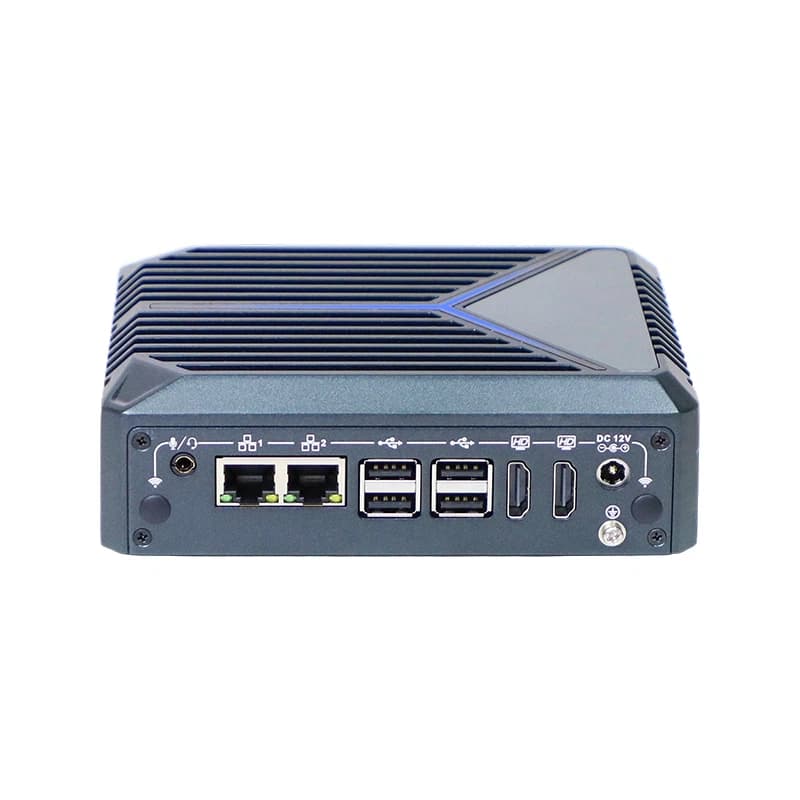
IBOX-3226: Intel i3-1215U / i5-1235U / i7-1255U (12th Gen) with 2x LAN.
Multi-LAN appliances for VLAN isolation and egress control around self-hosted AI.
Headless hosts running agent frameworks connected to cloud or local models, 24/7.
Local model serving with Ollama or similar runtimes where data must stay on premises.
Camera-connected inference for inspection, counting, and monitoring close to the source.
Segmented, egress-controlled network zones for mixed local-model and cloud-API estates.
24/7
continuous headless operation
<25W
typical draw on efficiency hosts
VLAN
isolation via multi-LAN appliances
x86
Proxmox, Docker, and LXC ready
Within limits. Efficiency-class hosts run small quantized models and are excellent 24/7 agent hosts; larger models need Core-class platforms or GPU hardware. Send the model size, quantization, and throughput target and we will validate the fit honestly.
Yes — with Proxmox VE and LXC containers, several assistant instances can be consolidated on a single low-power machine, each isolated with its own resources. State the instance count and workload in the enquiry.
Self-hosted models and the tools around them expose services and make outbound calls. VLAN isolation and egress filtering — standard duties for a multi-LAN appliance running OPNsense or pfSense — contain what the AI stack can reach and what can reach it.
Tell us what should run, how fast, and how private it must be. Technical sales will size the platform — and say so if the honest answer is a bigger machine.
Discuss an AI workloadWe store your analytics preference locally. Optional analytics loads only with your permission. See our Privacy Policy.